




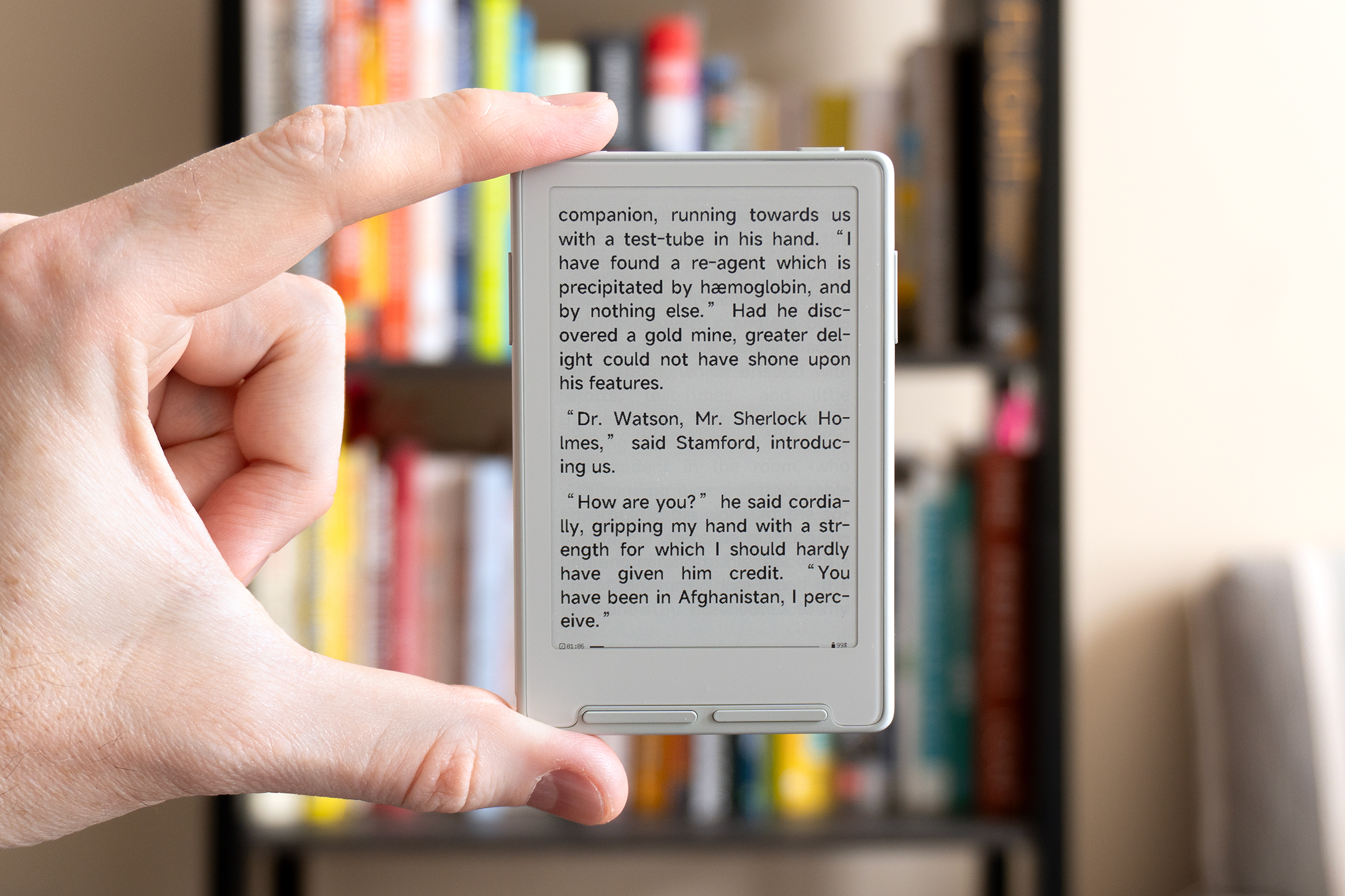
There’s a new smallest e-reader in my life. The Xteink X3 is even smaller and thinner than Xteink’s X4 while also improving on the X4 with refined (but still far from great) software, simplified buttons, and an improved magnetic mount on the back. It’s a better compact e-reader than the X4 if extreme portability is your priority, but its slimmer design comes at a terrible price that’s a potential deal-breaker. Instead of a USB-C port, the X3 charges through an uncommon magnetic pogo-pin connection.
That was a heartbreaking discovery while unboxing the new X3 because it actually comes with a handful of improvements that make it a solid upgrade. The X3 is a millimeter thinner, a few millimeters narrower, and over half an inch shorter than the X4. It’s much closer in size to a credit card, but while the X3 is just a bit too big to squeeze inside my slim wallet, I can slip the two into my pocket without noticing any added bulk.
When the X4 first popped up last December, it wasn’t just its size that caught our attention. Xteink promoted the X4 with images of it stuck to the back of a smartphone like a MagSafe battery, seemingly promising an e-reader that went everywhere your phone did and a more versatile alternative to e-reader cases. But the odd positioning of the magnets on the back of the X4 and its size prevented it from properly piggybacking on my iPhone 16 Pro without resorting to applying adhesive metal rings and having it awkwardly hang off the bottom.
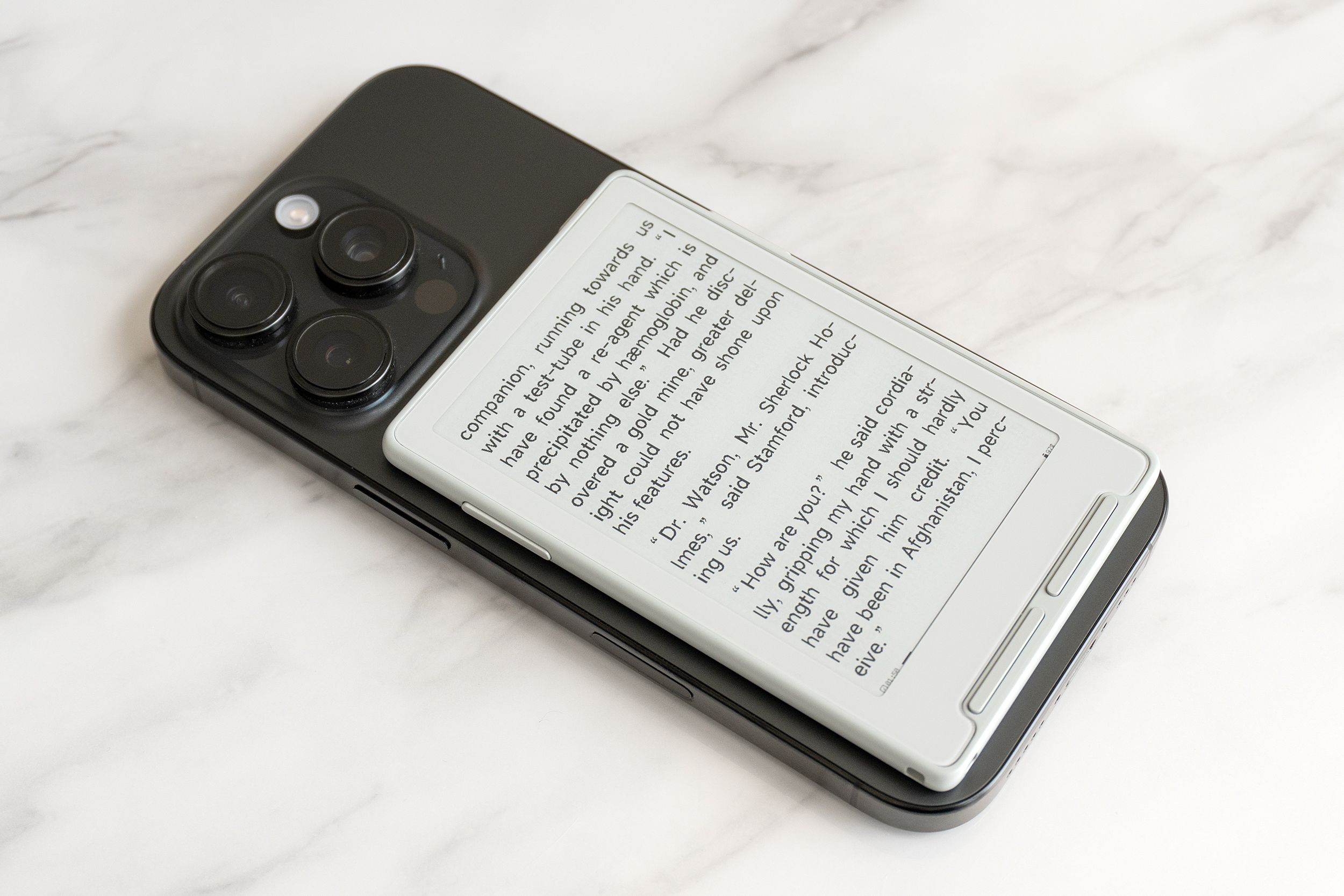
I was thrilled to find the X3 fits perfectly on the back of my iPhone 16 Pro, and then once again disappointed to discover its magnets aren’t strong enough to keep it securely in place. Magnetic accessories like PopSockets or the OhSnap Snap Grip have a satisfying “thunk” when attaching them to your phone. Attaching the X3 to my 16 Pro feels more like the devices are exchanging a weak hug. They don’t remain aligned when holding the two together, and on several occasions the X3 fell off my phone while being inserted or removed from a pocket.
The X3 has a smaller 3.7-inch E Ink display than the 4.7-inch panel in the X4, resulting in a slightly higher 250ppi, but the reading experience remains the same and depends on your comfort in focusing on a screen this small. I like sticking to a small font, which demands my reading glasses at all times, but if your eyes prefer a larger font you’ll be frequently turning the page because the X3 can squeeze fewer words on screen. In that case, you’ll be better off with a larger Kindle or Kobo.
There’s still no screen lighting or touchscreen functionality, but the X3’s button layout has been improved. There’s now just a single button on either side of the e-reader used for scrolling menus and turning to the next or previous page when reading, plus a pair of two-sided buttons below the X3’s screen for navigating menus and its OS.
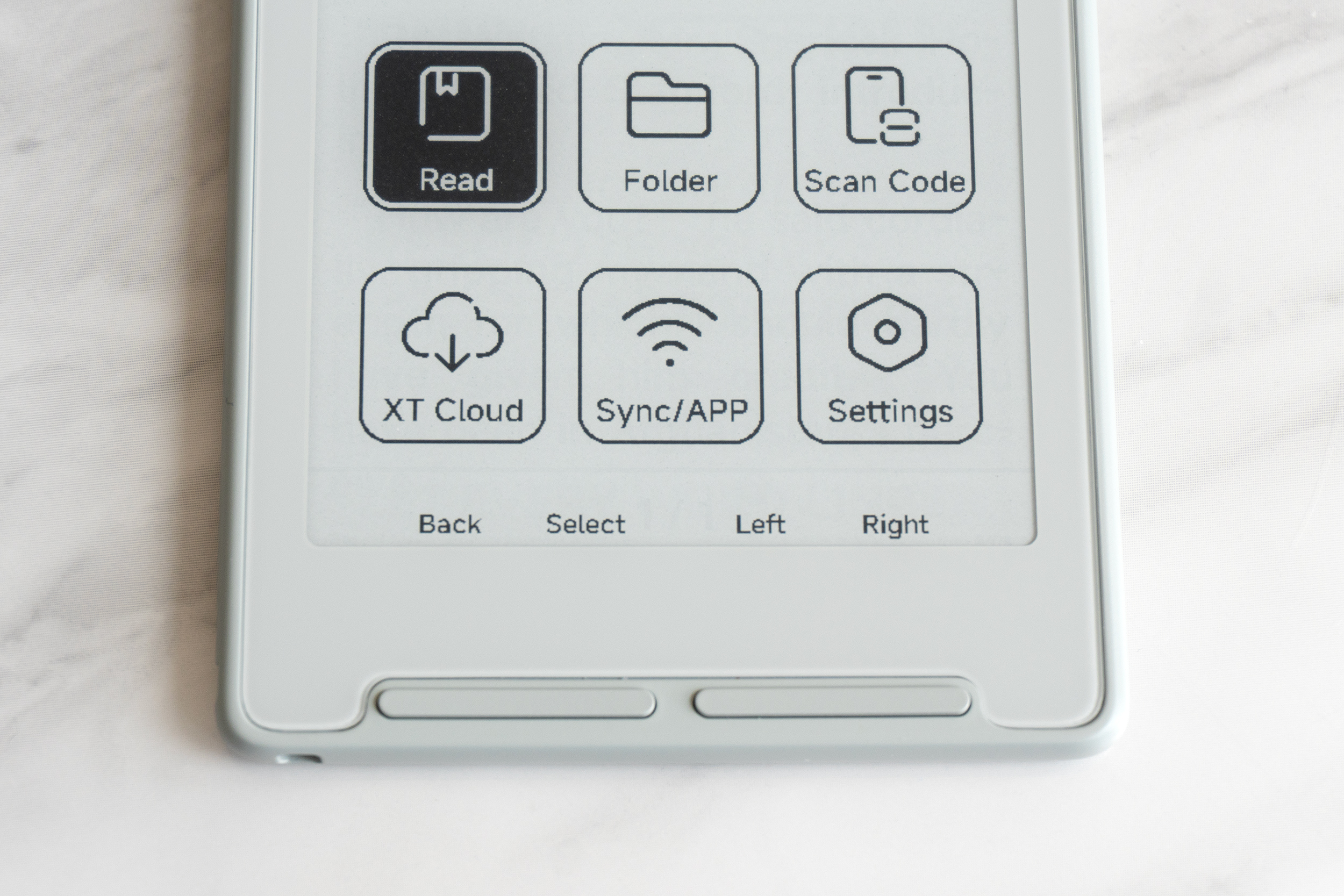
Having to remember which of the two-sided buttons I needed to press to make a selection or jump back to a previous screen was one of my biggest frustrations with the X4. Xteink has improved the software on the X3 and added contextual onscreen labels above those buttons… but only on the homescreen, which feels like a tease. As you navigate other areas of the OS, those labels disappear. The UI is still frequently frustrating and makes it feel like Xteink wants you to earn the right to use an e-reader this small.
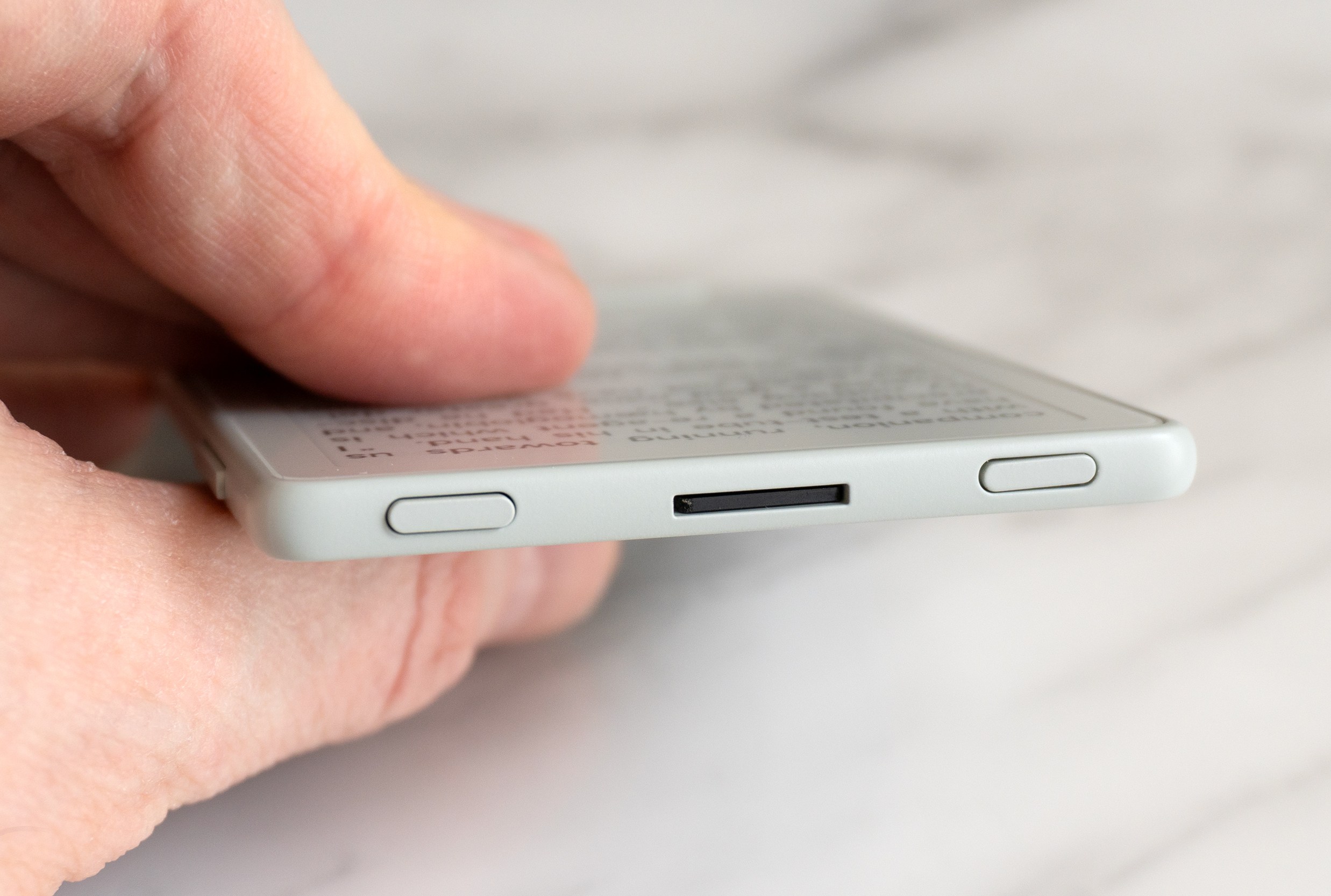
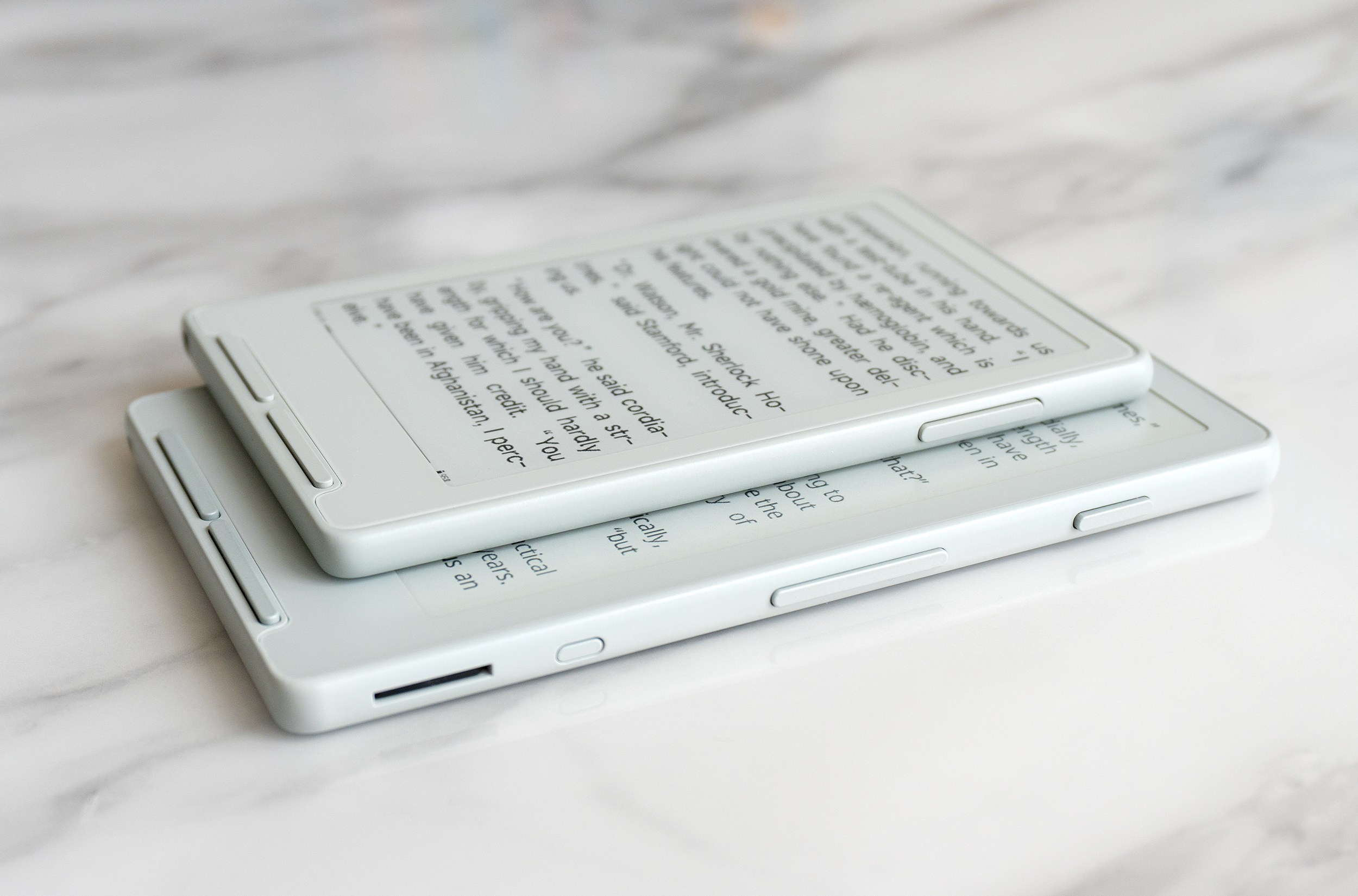
There are a few other software improvements. There are more options for adjusting line spacing that can help squeeze more text on screen and a new function where you can shake the X3 to turn the page. It worked, but felt like an odd alternative to the buttons. Wirelessly transferring books to the X3 from your smartphone using a mobile app also worked now, but it was a convoluted and clunky process and it’s still much easier to just pop out the e-reader’s microSD card and copy ebook files directly to it using a card reader.

Most of the limitations with the X4’s software, including just two font size choices, persist with the X3. It gives the e-reader a steep learning curve, and it’s absolutely not a device I’d recommend to anyone looking for the polished UI experience of a Kindle. The excellent CrossPoint Reader alternative firmware was the X4’s saving grace, but it doesn’t support the X3 yet. Dave Allie, who spearheaded the original development of CrossPoint Reader, says X3 support is “basically complete,” but its release is still in limbo.
Despite software and hardware upgrades that feel lacking, I’d still be tempted to recommend the X3 because I simply adore how small it is. It disappears into any pocket I slip it into while still being comfortable to hold and actually read with. It may seem gimmicky, but over the past week alone I’ve finished half a novel while reading in line at checkout, going through a car wash, and waiting at school pickup. I don’t like reading on my phone, and I find the X3 to be a great alternative to dragging my Kobo around. But the lack of a USB-C port is a real pain point.
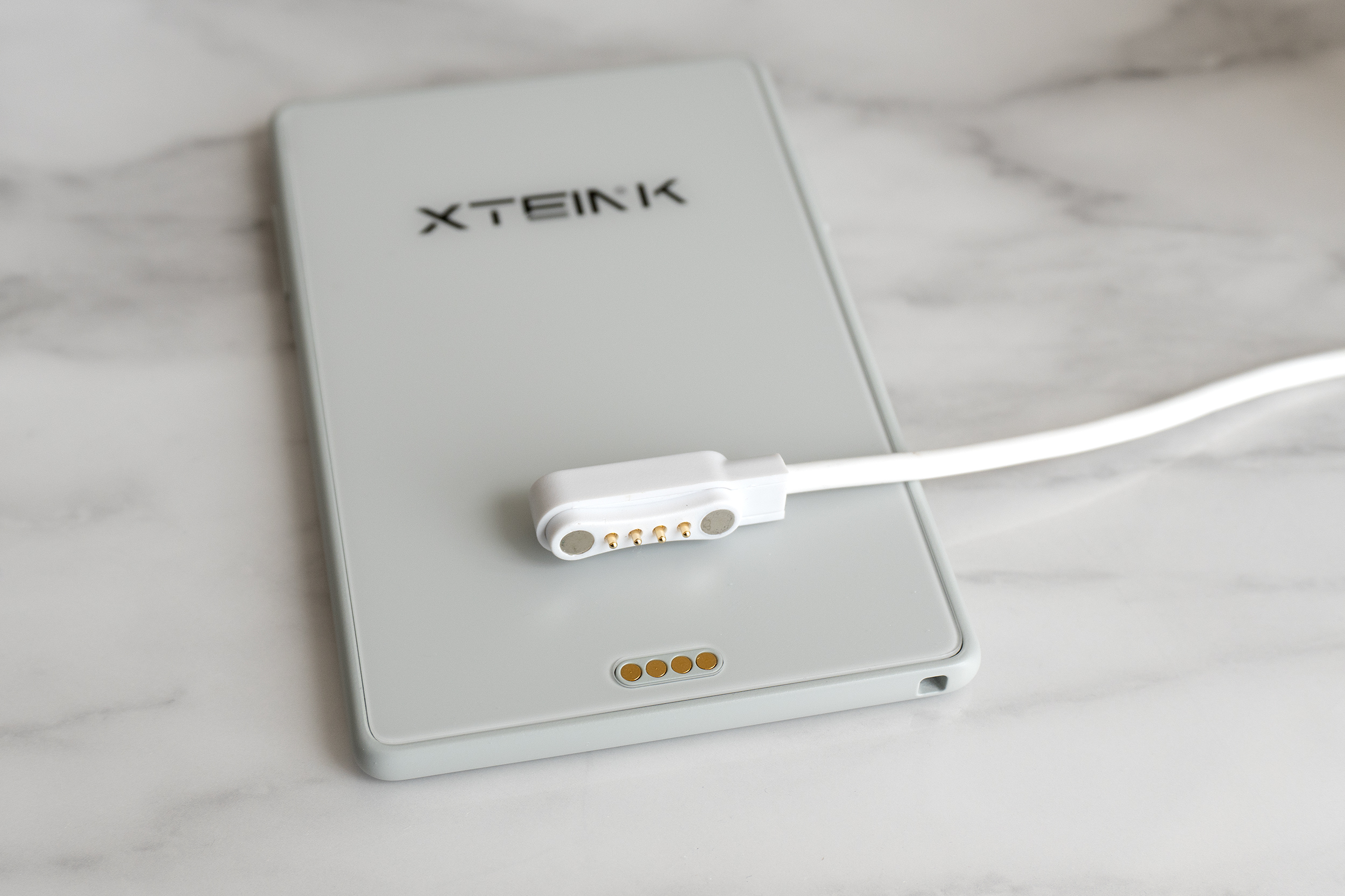
During my testing of the X3, I managed to misplace its magnetic charging cable for three days before remembering where I had moved it. With the e-reader’s battery life rated at around two weeks it wasn’t a big issue to misplace the cable for three days, but it could have easily gone missing for a lot longer than that. The company doesn’t recommend using third-party alternatives found on Amazon and only plans to start selling replacement cables later this month.
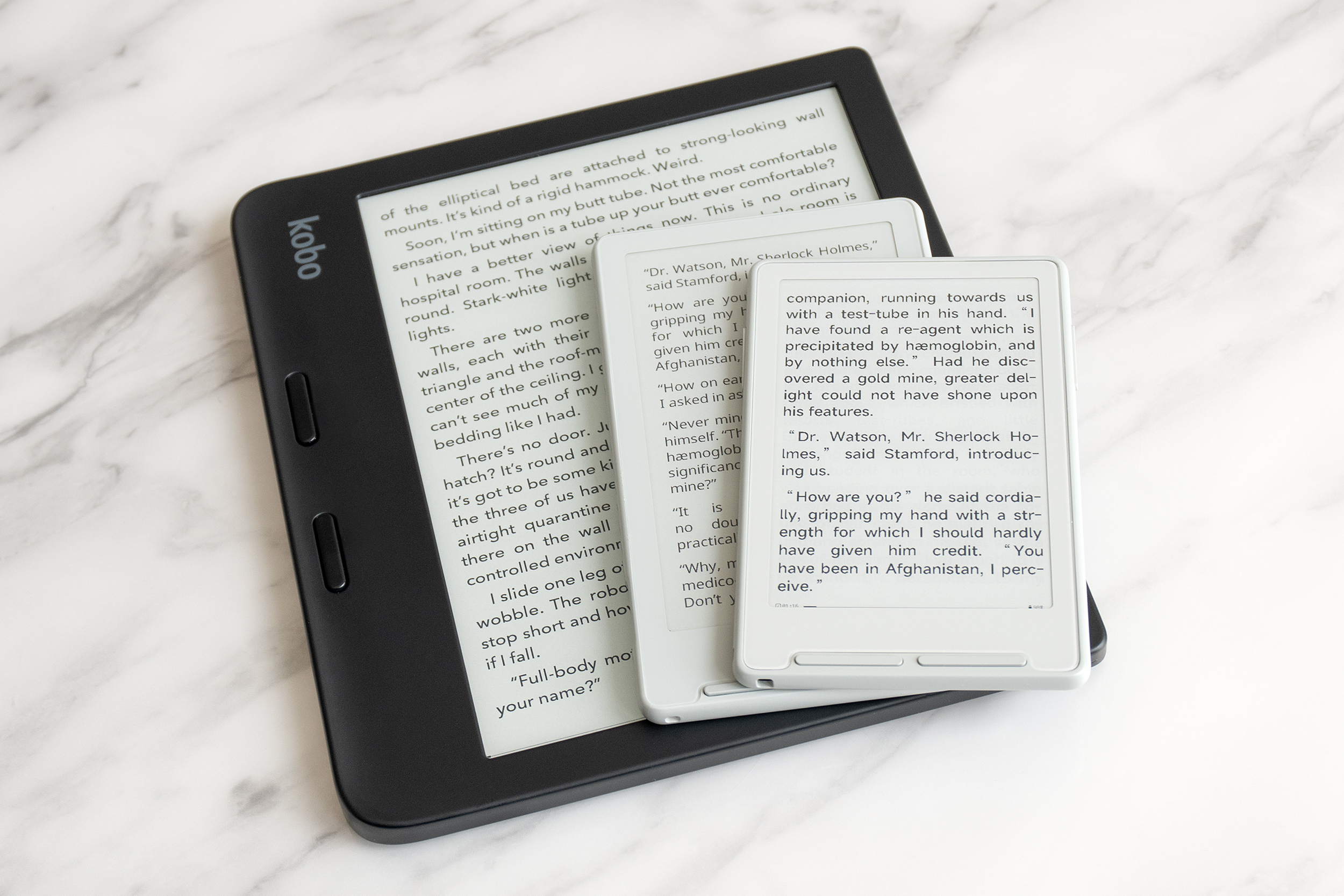
In a world where USB-C is now nearly standardized across all devices, having to keep tabs on a proprietary cable feels like too much of an inconvenience. Making the X3 a bit thicker to accommodate a USB-C port or even a wireless charging coil would not have diminished its pocketability or portability in any meaningful way. As much as I want to take the X3 with me everywhere I go, I don’t think I have any room in my heart for a gadget not on the USB-C bandwagon.
Photography by Andrew Liszewski / The Verge
Recent Comments